Patterns / Group 1

1 Context: Money Smells

These patterns describe situations rather than actions. Each one is a mismatch between how the money flows and how the work is organized, and each explains a problem that engineers usually experience as something else: a turf war, a platform that can’t keep up, a reorganization that didn’t stick, or a cost line that won’t stop growing.

The name borrows from “code smells”: signs that something underneath needs attention, even when nothing is obviously broken. Most of them were found in the mapping workshops of Part III, where they appear as rows of Chapter 12, table “Common mismatches between the layers”, and each comes with the story from earlier in the book that shows it at work.

Several usually apply at once. In Chapter 1, “Why Money Flows Matter”, Jan’s platform is Funded by One, Serving Another, sits among Budget Silos, is outside her boss’s targets (The Unaligned Bonus), and arrives mid-year (The Annual Budget Lock-In).

Because these patterns describe where you are, their “Therefore” sections mostly say how to recognize the situation and which of the patterns in the later groups to reach for.
Pattern 1.1

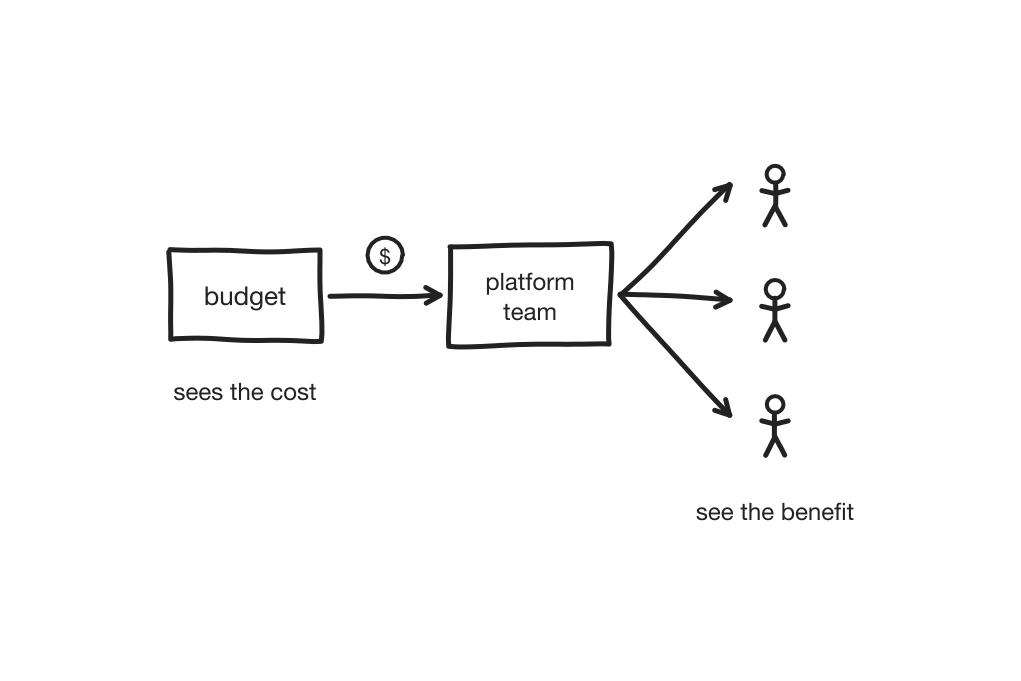
Funded by One, Serving Another

A team is paid for from one budget but delivers its value to teams under other budgets, so the people who see its cost and the people who see its benefit are never the same.

Pattern 1.2

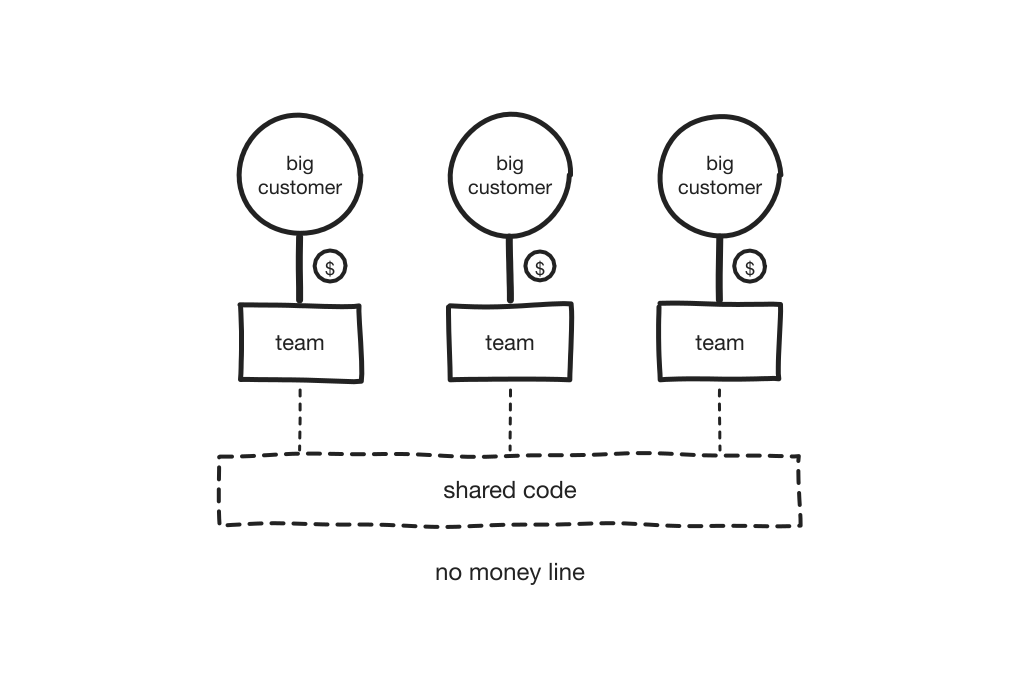
Revenue Gravity

When a few large customers pay for the work, the organization forms around them, and shared code ends up with nobody paying for it.

Pattern 1.3

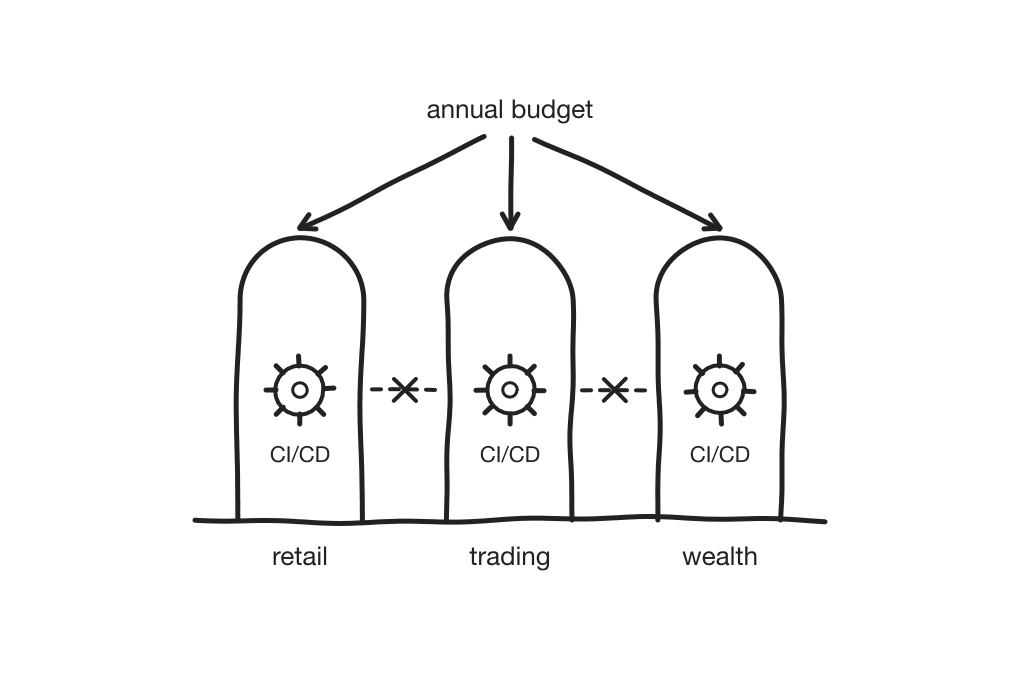
Budget Silos

Each business unit buys or builds the same function from its own budget, because nobody is rewarded for using someone else’s.

Pattern 1.4

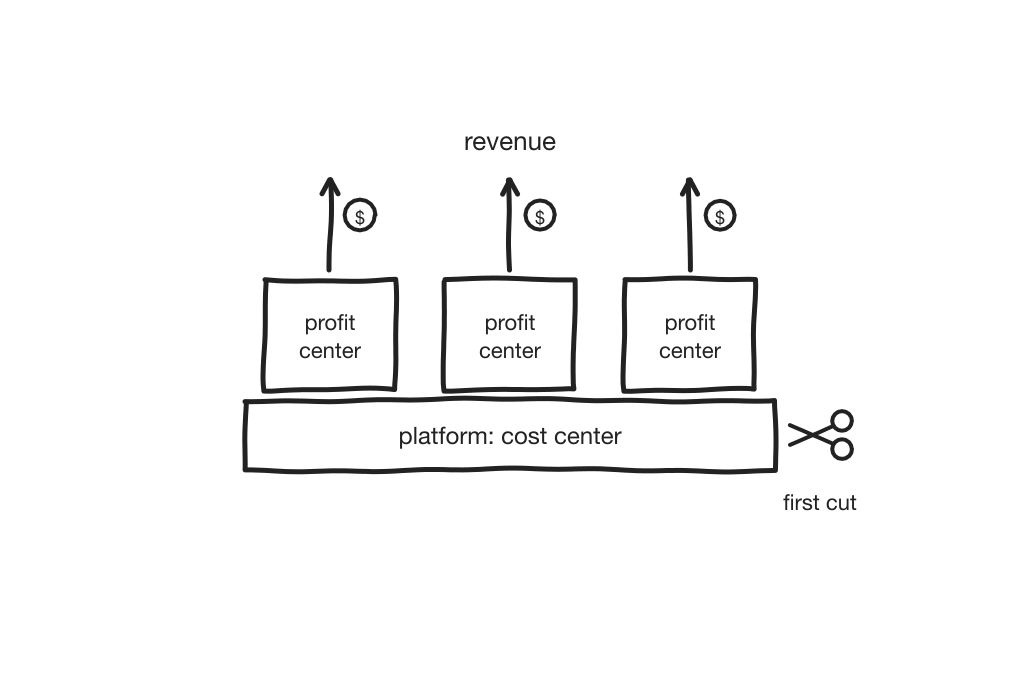
Platform as a Cost Center

A platform funded as overhead serves teams that sit in profit centers, so it is judged on its cost while its value is counted elsewhere.

Pattern 1.5

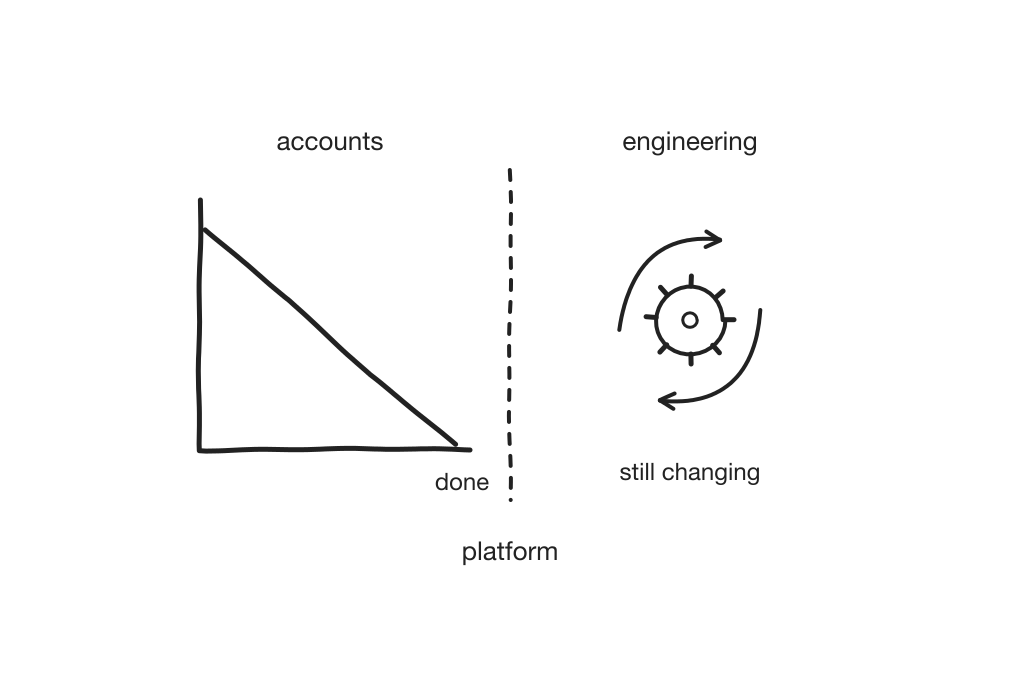
Done in the Accounts, Alive in Engineering

Once software is capitalized and “complete,” the accounts treat it as a depreciating asset, while engineering still has to maintain and extend it.

Pattern 1.6

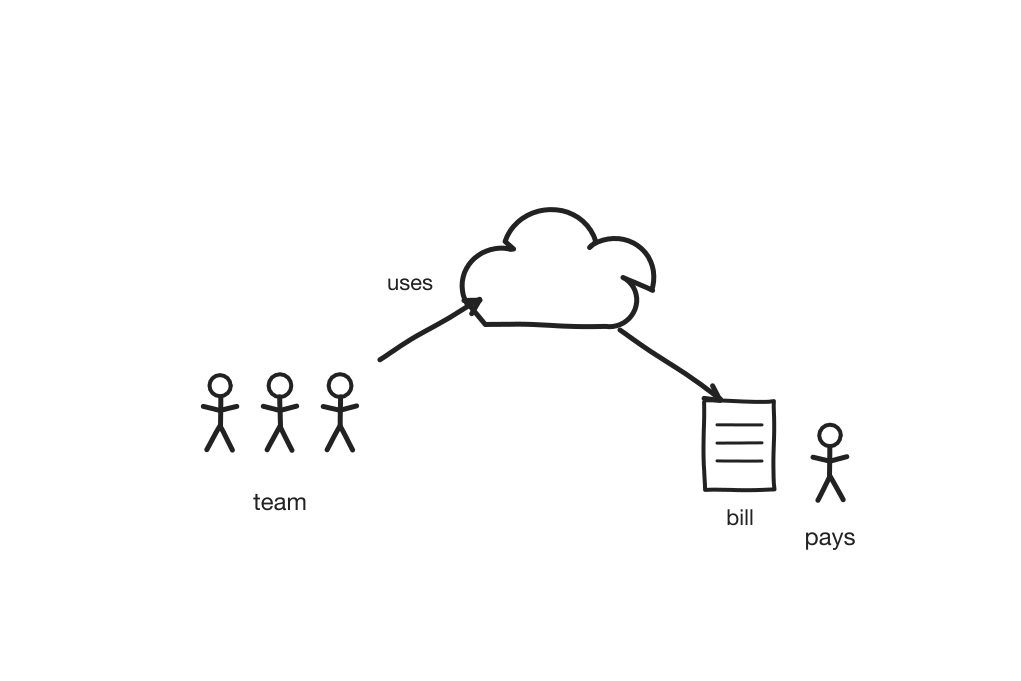
The Consumers Aren’t the Payers

When the people consuming a resource don’t see its bill, consumption grows unchecked.

Pattern 1.7

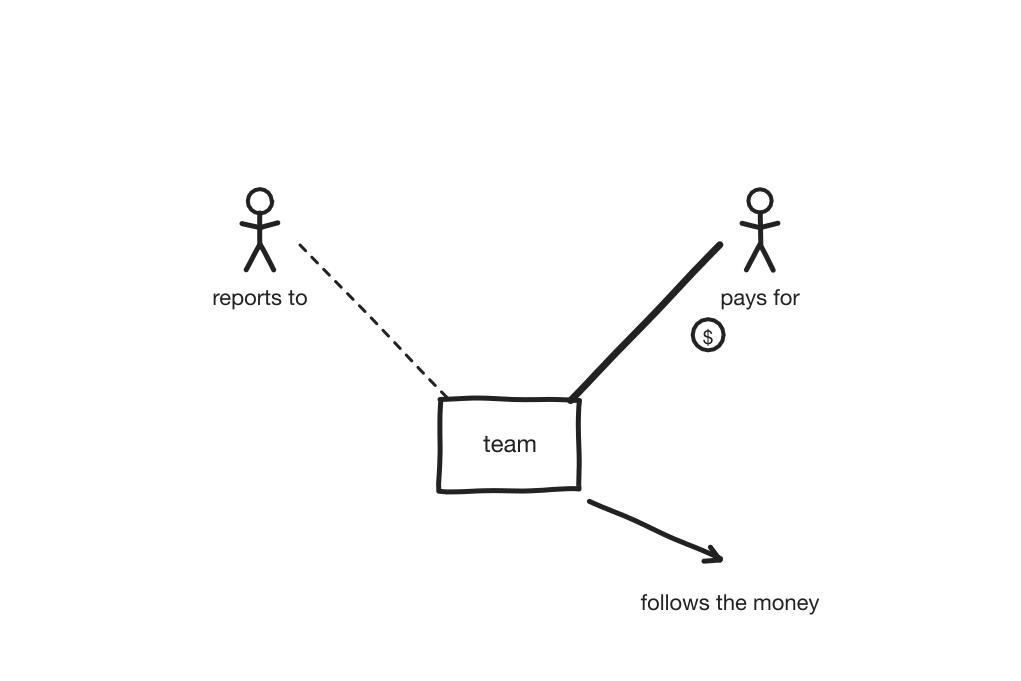
Two Budget Masters

A team reports to one person and is paid for by another, and the team follows the money.

Pattern 1.8

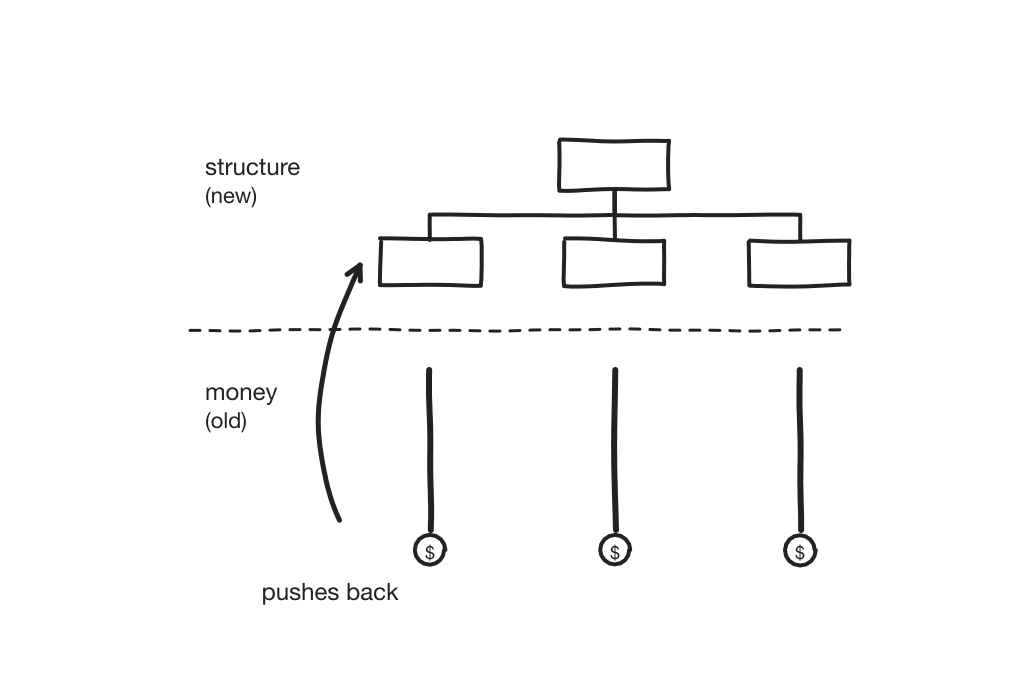
Structure Changed, Money Didn’t

A reorganization that leaves the old budget lines in place fails to change behavior.

Pattern 1.9

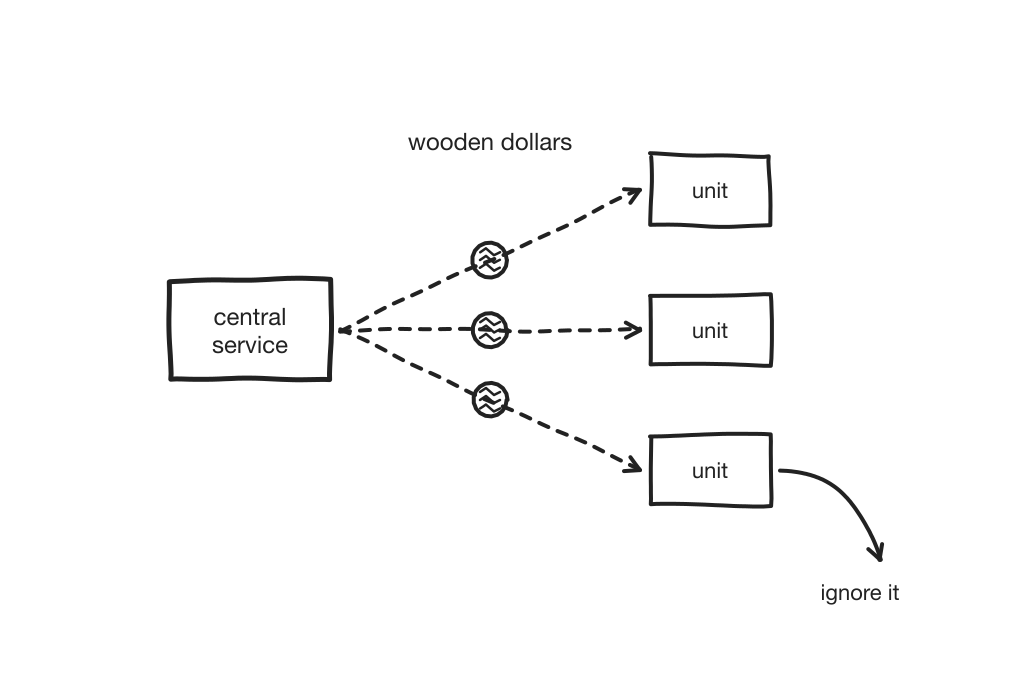
Wooden Dollars

A central service is expected to “sell” to internal customers who can ignore it, and neither side can really walk away.

Pattern 1.10

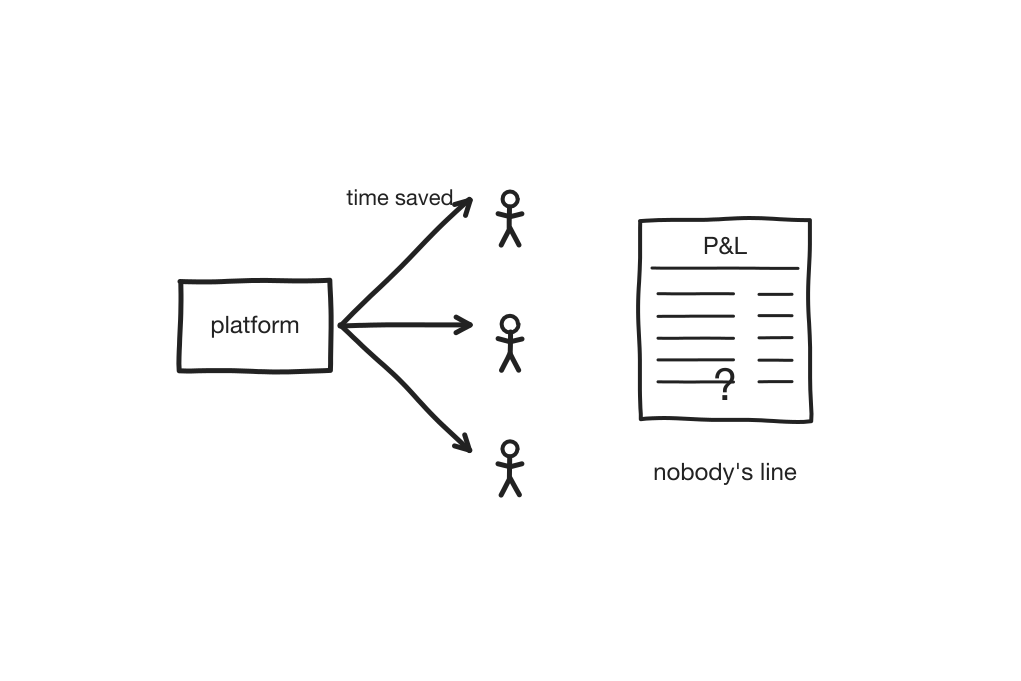
The Invisible Benefit

The value of the work lands on nobody’s P&L, so as far as the budget holders are concerned it doesn’t exist.

Pattern 1.11

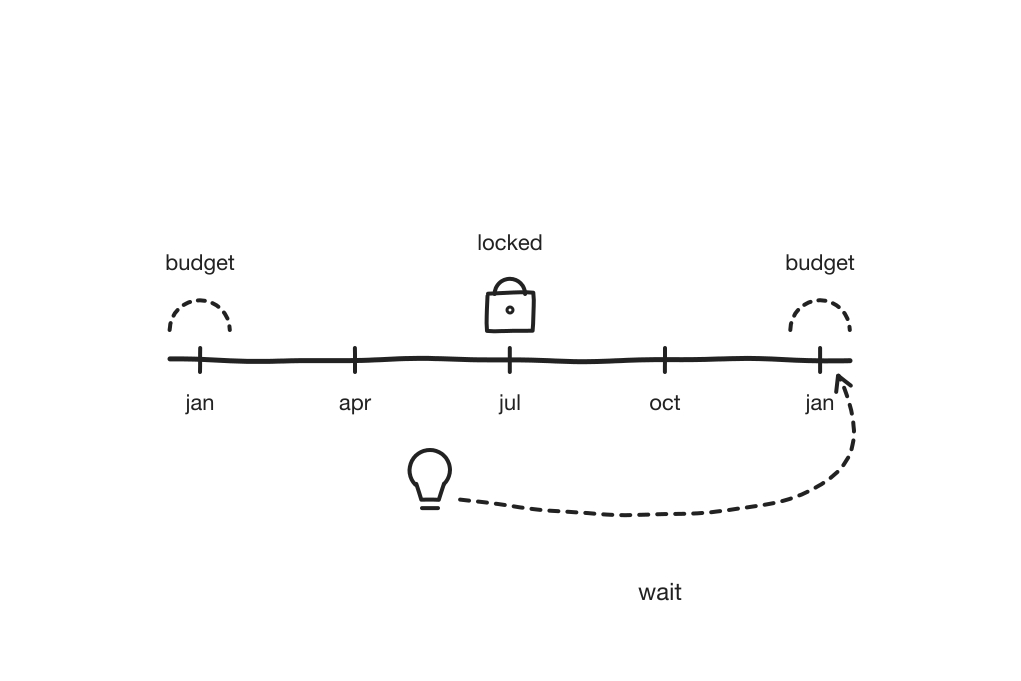
The Annual Budget Lock-In

Decisions about money are made once a year, and anything that arrives after the round has to wait for the next one.

Pattern 1.12

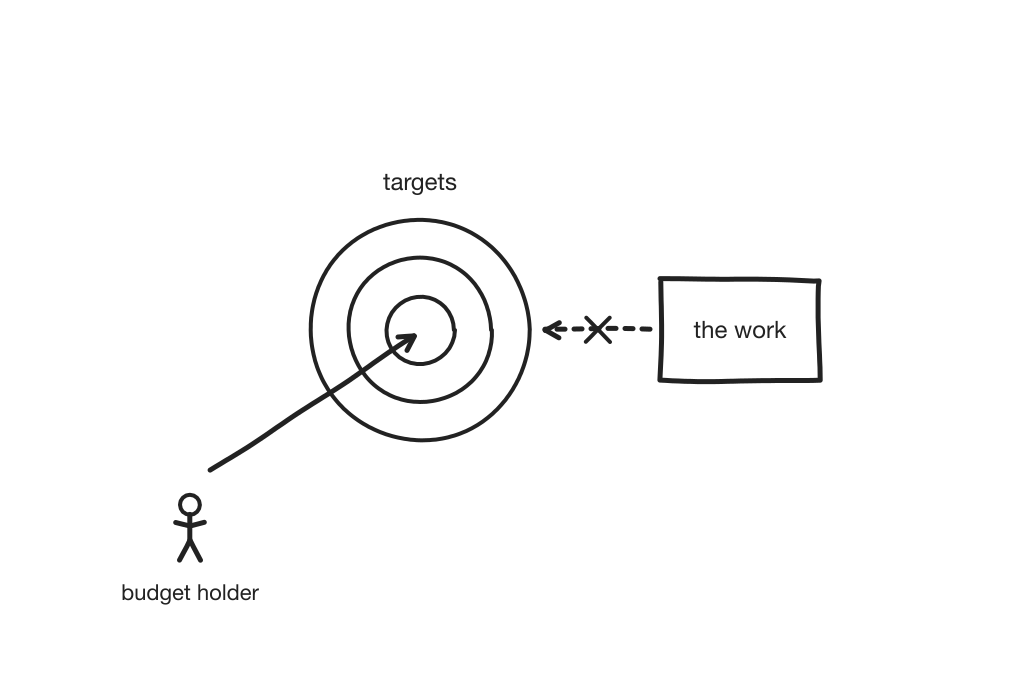
The Unaligned Bonus

The budget holder’s targets don’t include what the team delivers, so the work is ignored or quietly dropped.

Pattern 1.13

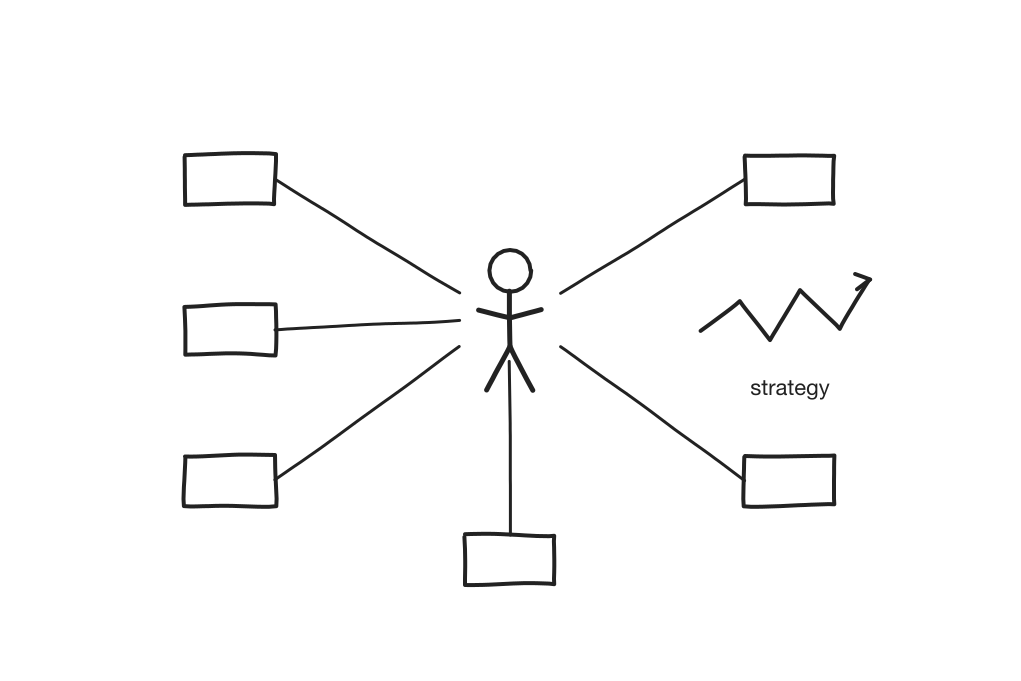
The Overmighty Patron

One person controls the money, or the route to it, and the organization’s strategy moves whenever their attention does.

Pattern 1.14

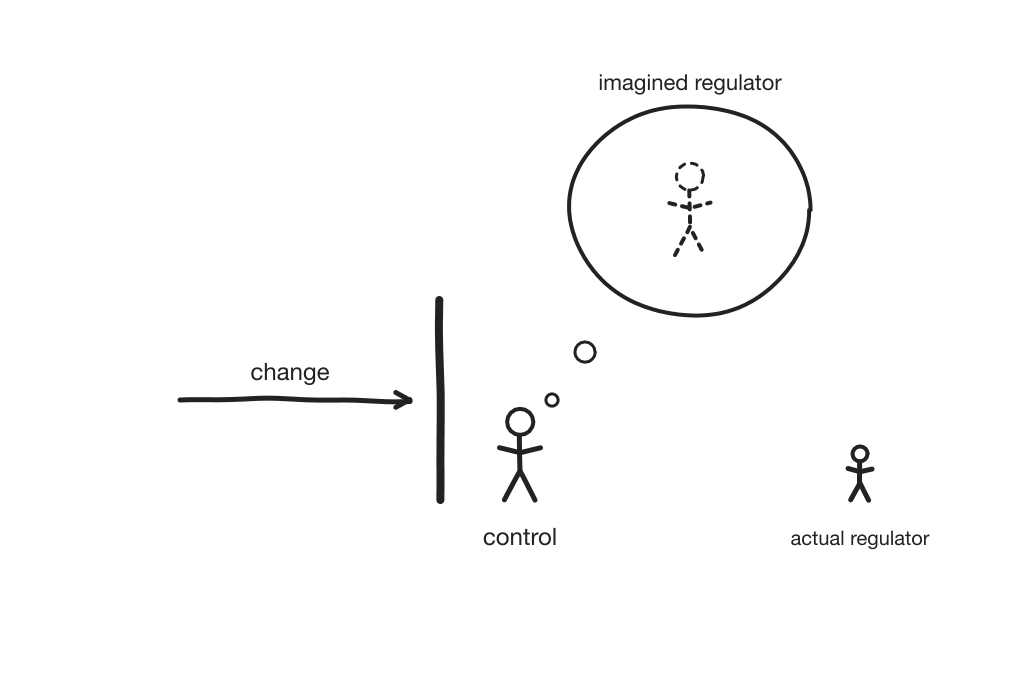
The Imagined Regulator

A control function blocks or reshapes change in the name of a requirement that no actual patron has made.

Pattern 1.15

The Shareholder Transformation

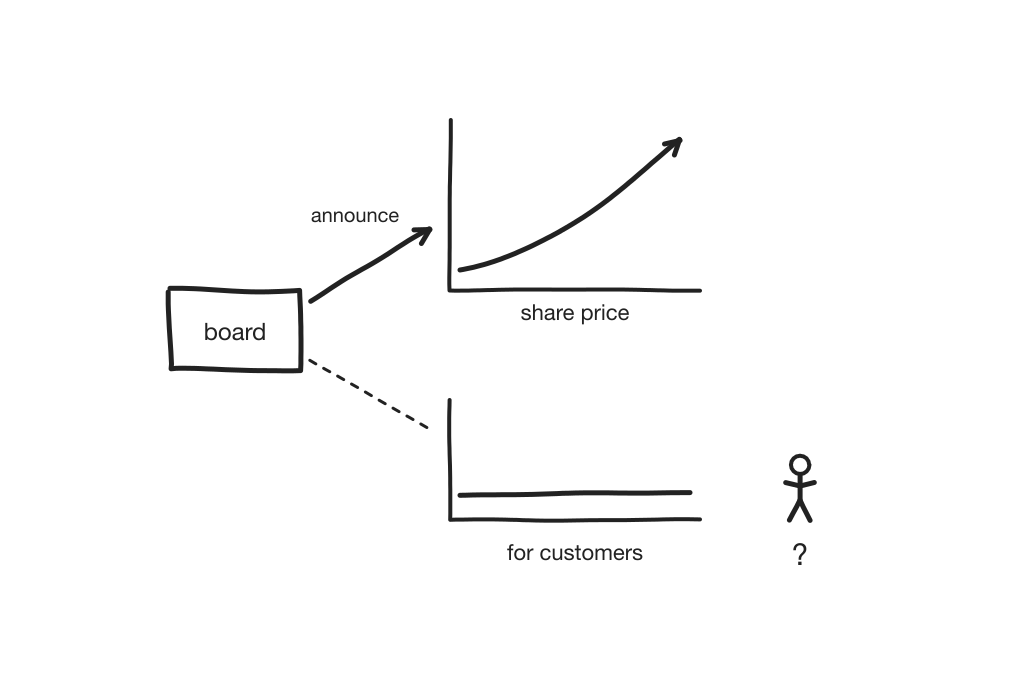
A change program whose only real patron is the investor, so it can succeed for shareholders while delivering little to anyone else.