Patterns / Group 5

5 Changing the Flows

These patterns change where the money goes. They come from Chapter 17, “Shaping Teams Through Finance”, and they cover the funding models for shared work (central budgets, taxes, chargeback, showback, and hybrids of them), funding products rather than projects, allocation keys, incentives, and, at the far end of the chain in Chapter 9, figure “Patronage ultimately constrains system architecture”, changing the patrons themselves.

This is the hardest group of levers to pull, and the one whose effects last longest. It is also the one with the strongest side effects, because changing the money changes the architecture, and not always in the way you wanted. Connector’s chargeback in Chapter 7, “Years Seven to Ten: VC to IPO” is the warning that runs through these patterns: it met the board’s goal, and produced silos, cautious engineering, and senior attrition.

Several of these patterns are designed to answer the anti-patterns at the end of this appendix.
Pattern 5.1

Showback Before Chargeback

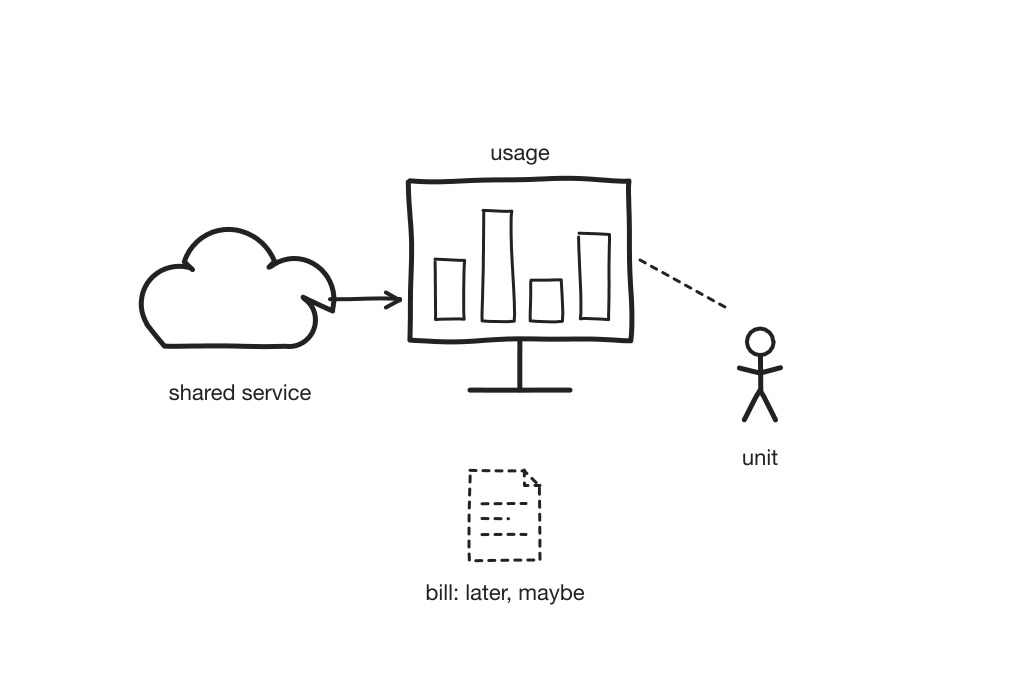
Measure each unit’s use of a shared service and show it to them, and to finance, before (or instead of) billing them for it.

Pattern 5.2

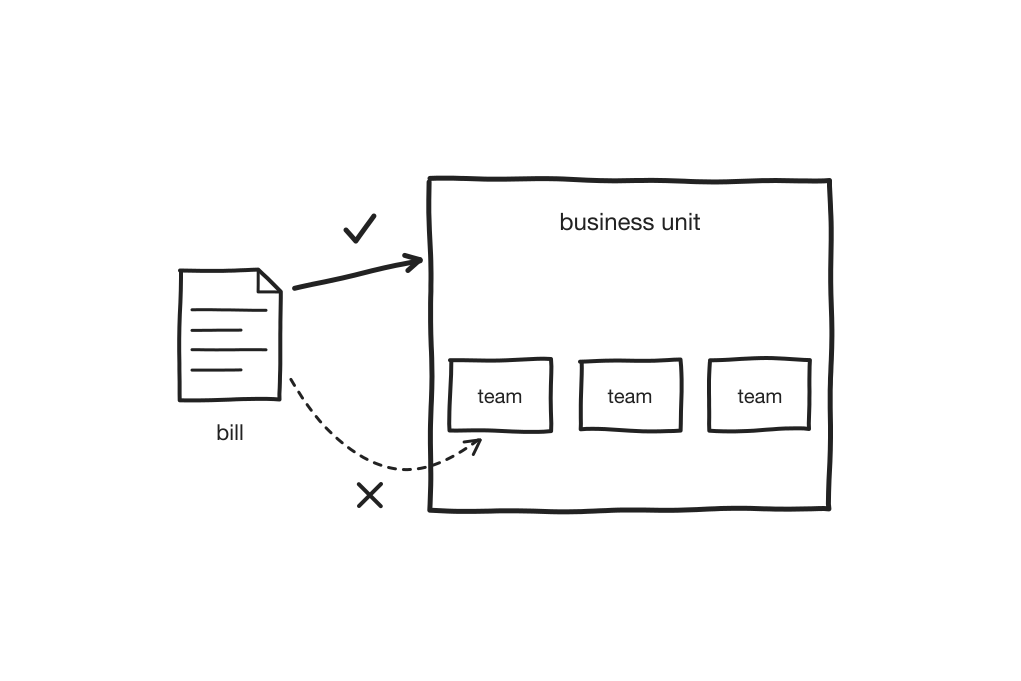
Charge the Unit, Not the Team

If you charge for shared services, bill the business unit rather than each team, so that the financial boundaries are ones that already exist.

Pattern 5.3

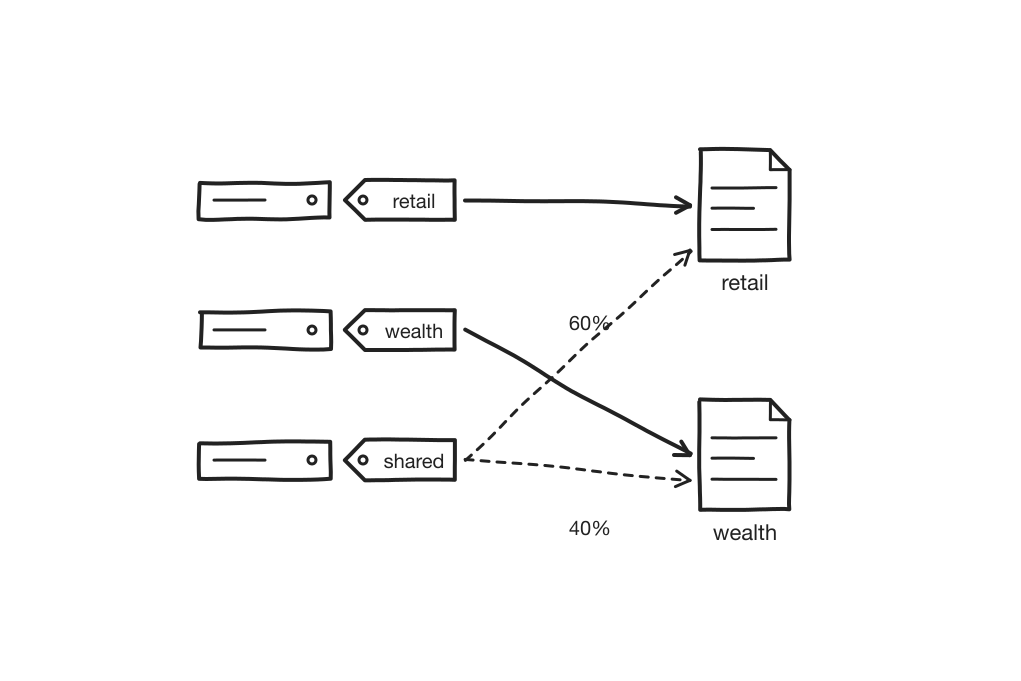
Allocate by Tag, Not by Topology

Split a shared bill by tagging resources and agreeing percentages for the rest, so that nobody has to change the architecture to get an accurate bill.

Pattern 5.4

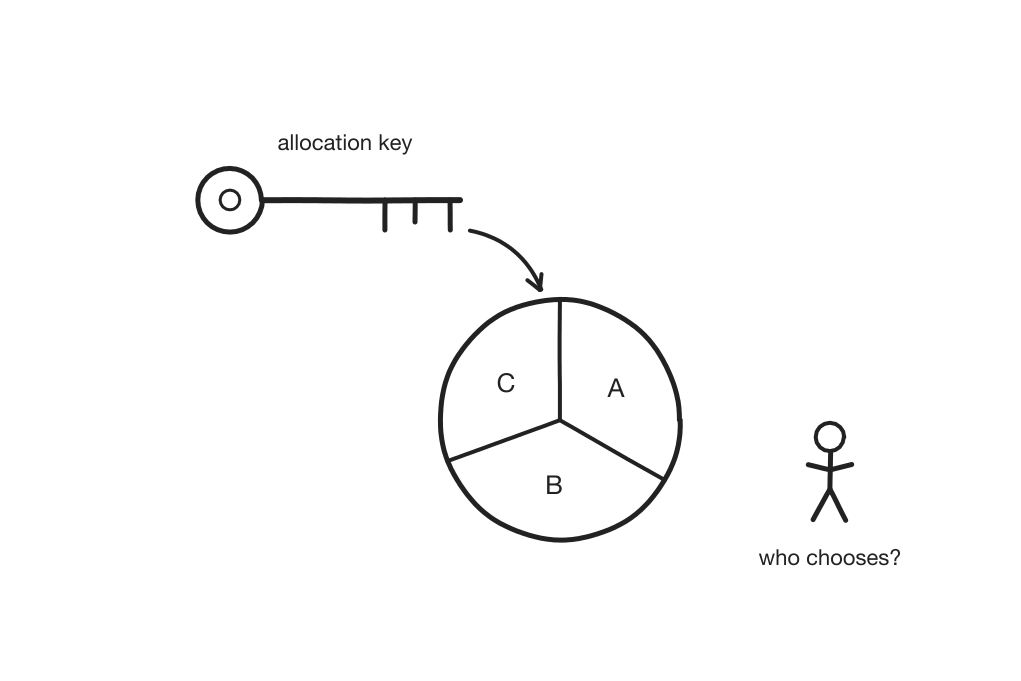
Choose the Key Carefully

When a shared cost is split between units by a key, the key decides who wins. Choose it for the behavior it produces, and decide explicitly who gets to choose it.

Pattern 5.5

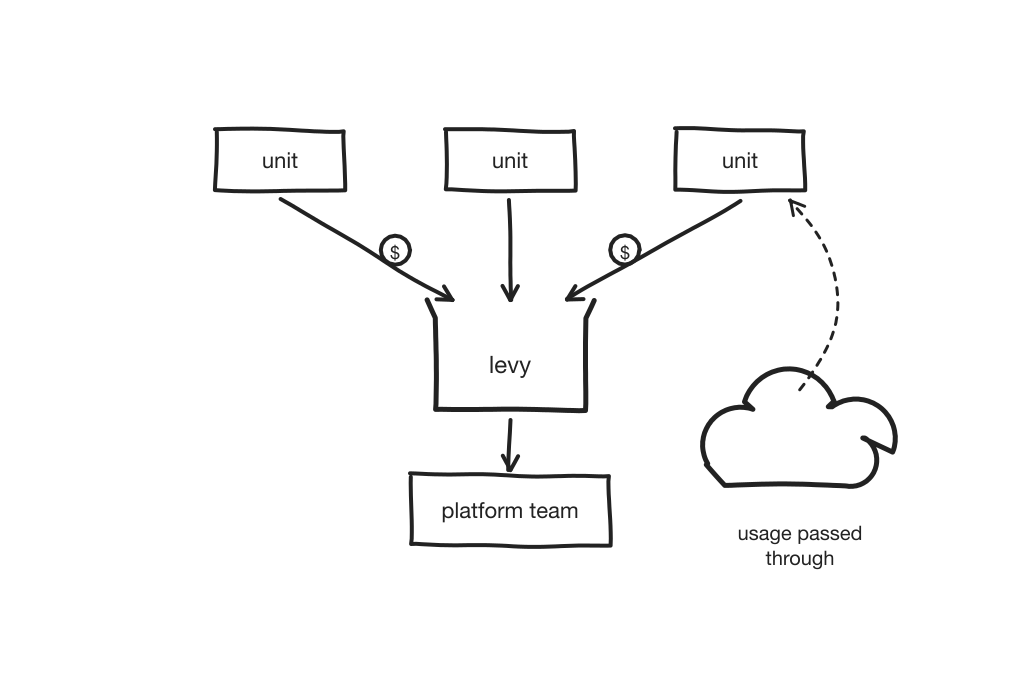
Fund the Commons Separately

Pay for a shared platform from a pot that using it doesn’t increase: pass consumption through to the units that incur it, and fund the platform team by a levy every unit pays.

Pattern 5.6

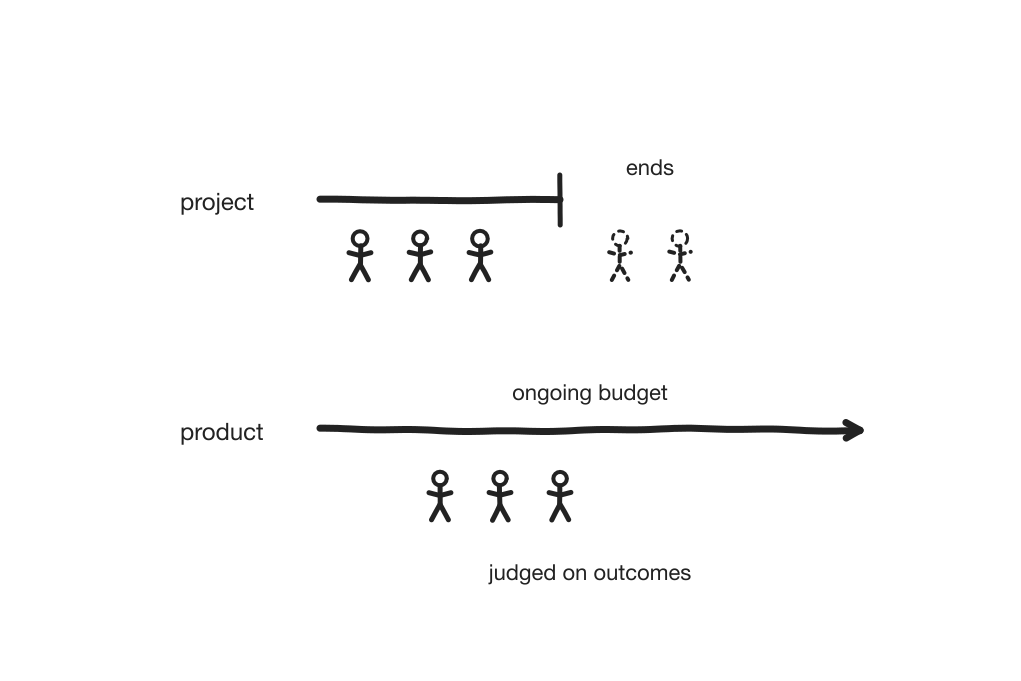
Fund Products, Not Projects

Fund long-lived teams with ongoing budgets judged on outcomes, rather than funding projects that end.

Pattern 5.7

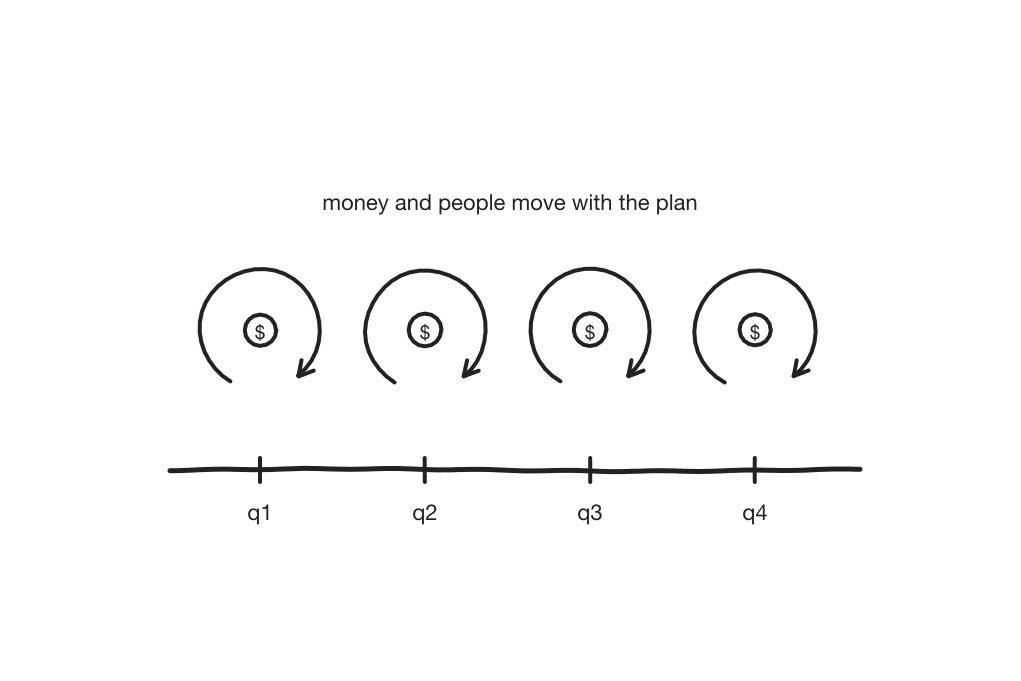
Rolling Budgets

Move money and people on the same cycle as the plans, rather than fixing them once a year.

Pattern 5.8

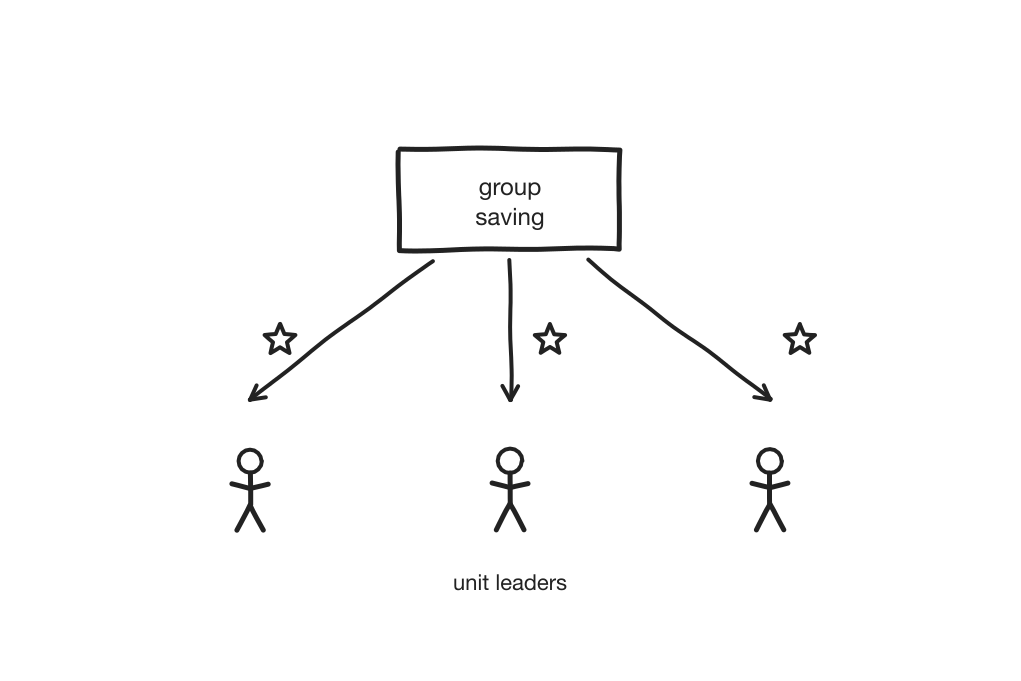
Share the Saving

Tie part of each unit leader’s reward to group-level savings, so that shared work becomes something they want rather than something they tolerate.

Pattern 5.9

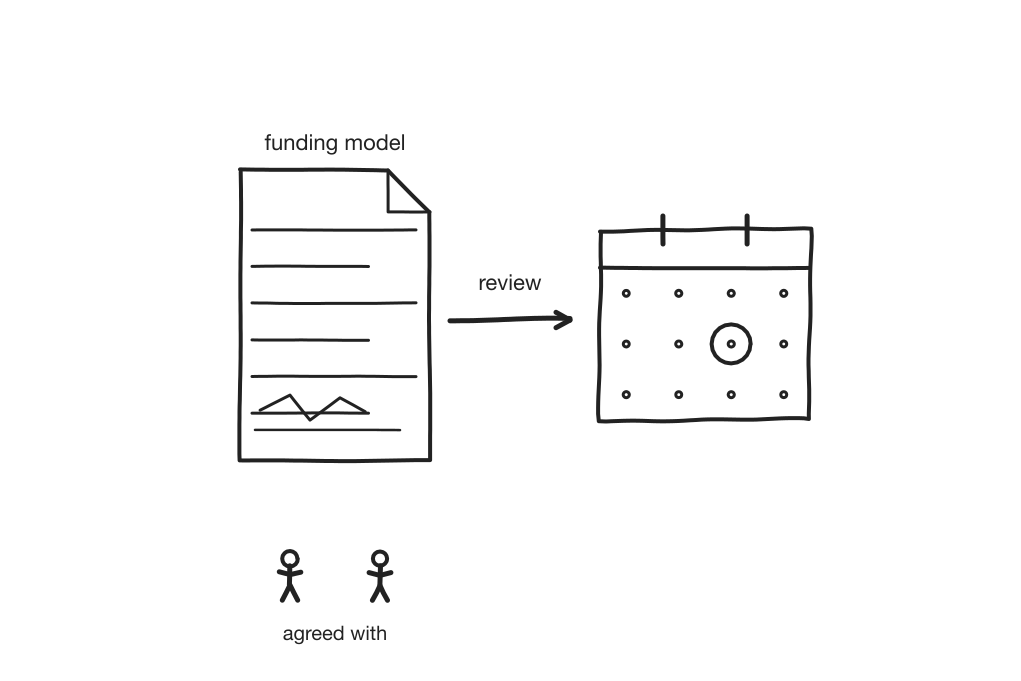
Write In the Review Date

Agree a funding model with the people it affects during the budget cycle, and write a date for reviewing it into the plan.

Pattern 5.10

Move the Money, Then the Org

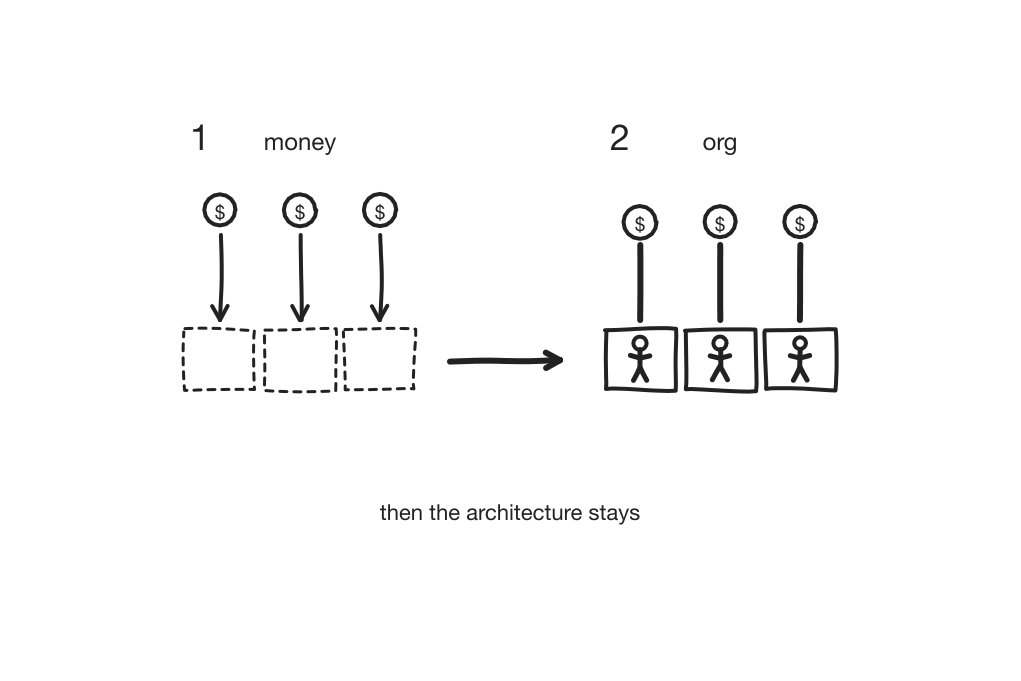
Before reorganizing teams to get the architecture you want, change how the new teams will be funded and what they will be measured on. Otherwise the old architecture comes back.

Pattern 5.11

Change the Patrons

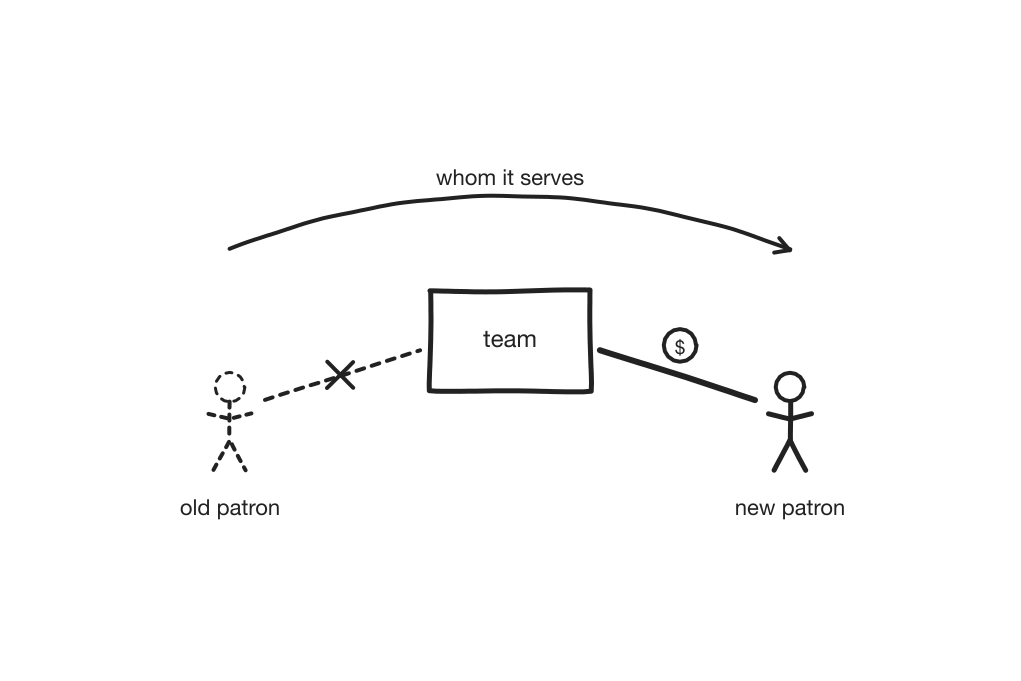
When the patrons themselves are what hold a system in place, the lasting change is to change whom the organization (or the team) serves, or who funds it.