Patterns / Group 2

2 Diagnosis

These patterns describe ways of finding out how the money really flows through an organization, as opposed to how the org chart says it flows. They come from the analysis described in Part III: preparing the mapping (Chapter 10, “Preparing the Analysis”), mapping the patrons (Chapter 11, “Mapping Your Patrons”), mapping the organization and the money (Chapter 12, “Mapping the Organization”), following the work (Chapter 13, “Following the Work”), and reading the architecture (Chapter 14, “Architecture and Diagnosis”).

They are roughly in the order you would use them. Secure a sponsor and agree the goal and boundaries first, then map patrons, money, work, and architecture, and finish with one-on-ones before drawing conclusions. Most are workshop techniques, and they work best when the people who do the work draw the maps themselves.

The output of these patterns is a diagnosis, not a solution. As Chapter 14, “Architecture and Diagnosis” puts it, the point is to change the system, which is what the groups that follow are for.
Pattern 2.1

Secure the Sponsor

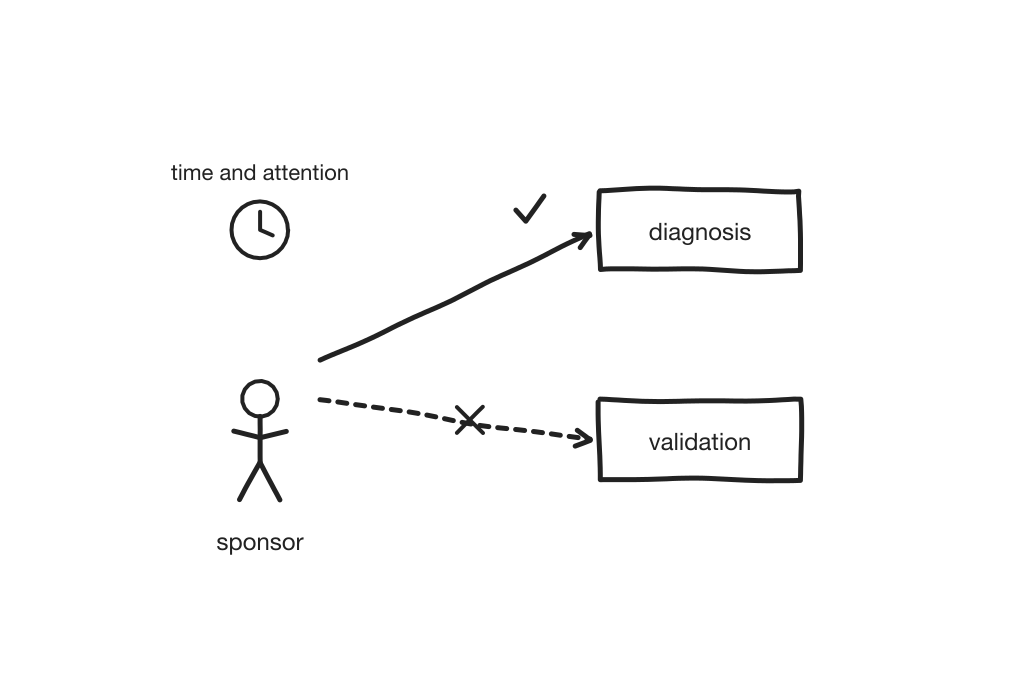
Before starting a diagnosis of how money shapes the organization, find someone with the authority to give it time and attention, and confirm that they want a diagnosis rather than a validation.

Pattern 2.2

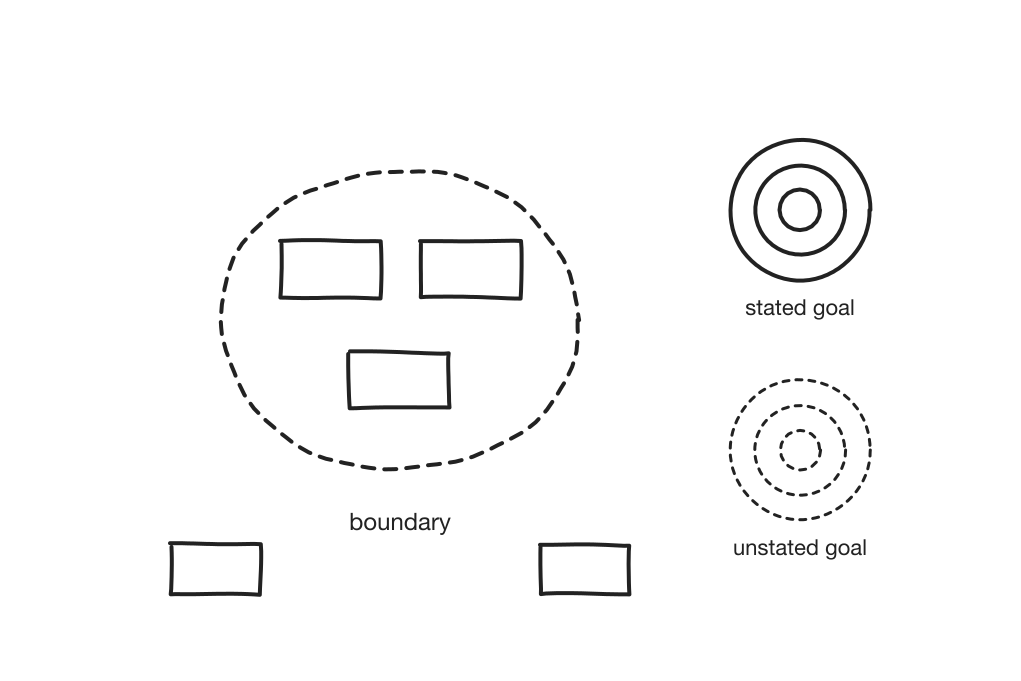
Agree the Goal and the Boundary

Before mapping anything, agree with the sponsors on what the analysis is for and which part of the organization it covers, and separate the goals they state from the ones they don’t.

Pattern 2.3

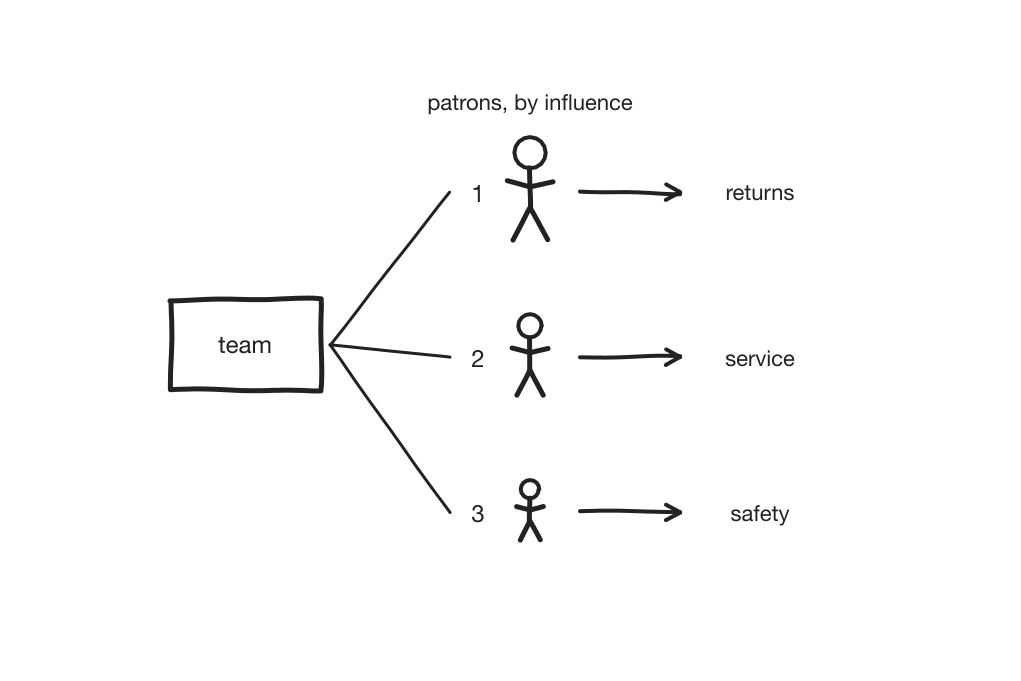
Map the Patrons

Have the group agree on who the organization (or team) really serves, rank those patrons by influence, and link each one to what they expect to get back.

Pattern 2.4

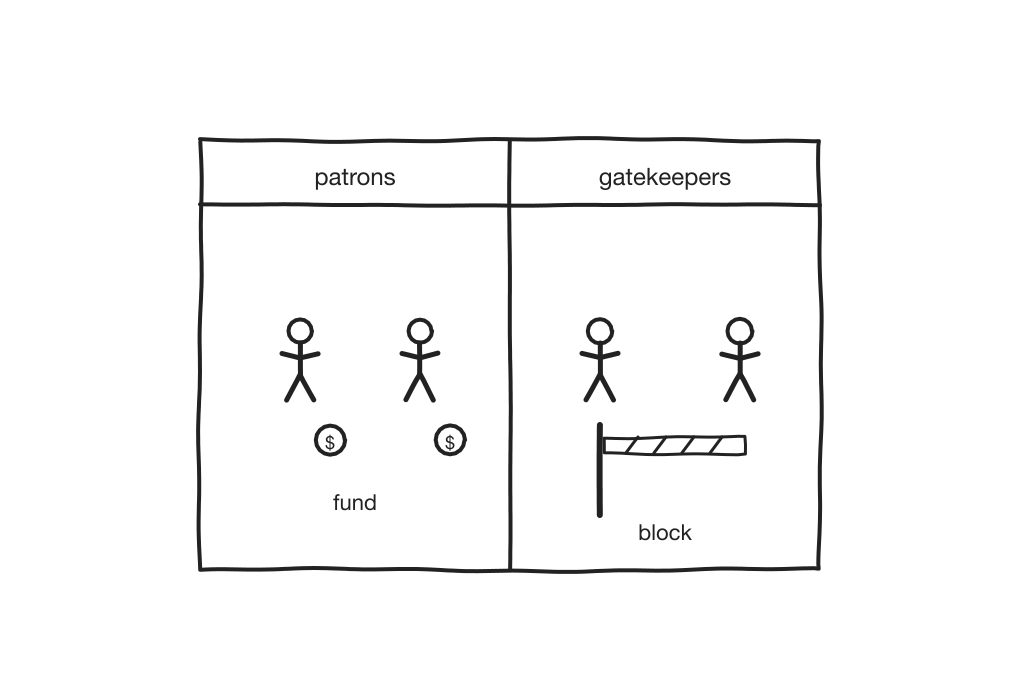
Find the Gatekeeper

Map the people and functions who can block, delay, or reshape the work without funding it, and keep them in a separate column from the patrons.

Pattern 2.5

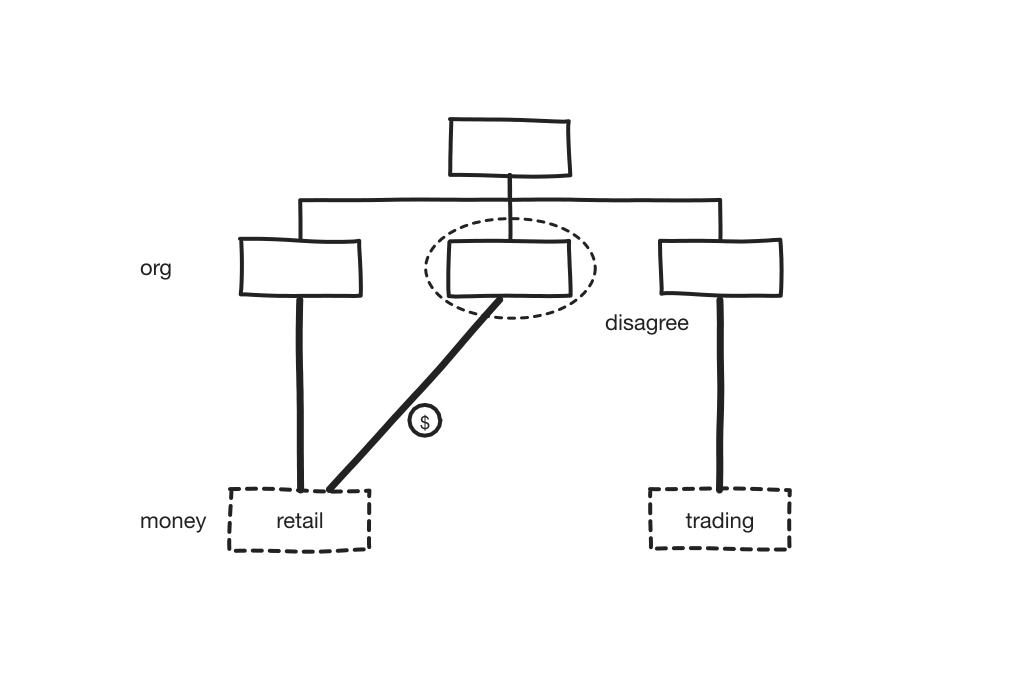
Overlay the Money

Draw the organization as people experience it, then draw where each team’s money comes from and who really directs its work on top of it, and look for where those layers disagree.

Pattern 2.6

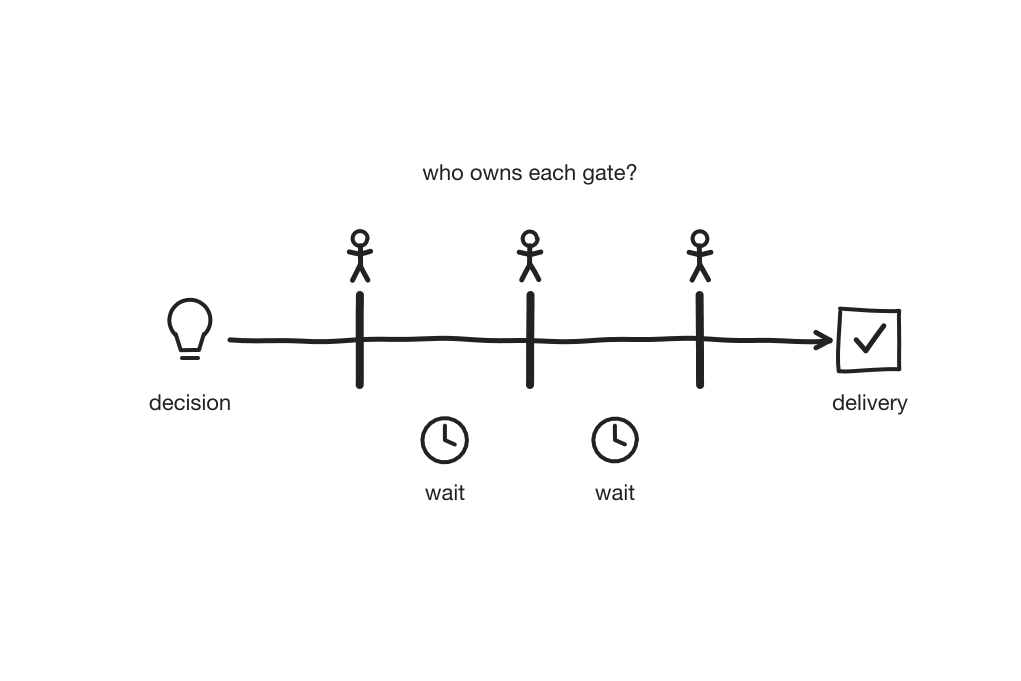
Follow the Work

Take one real piece of work and trace every step from the decision to do it to its delivery, and find where it waited and who owned each gate.

Pattern 2.7

Predict Before You Draw

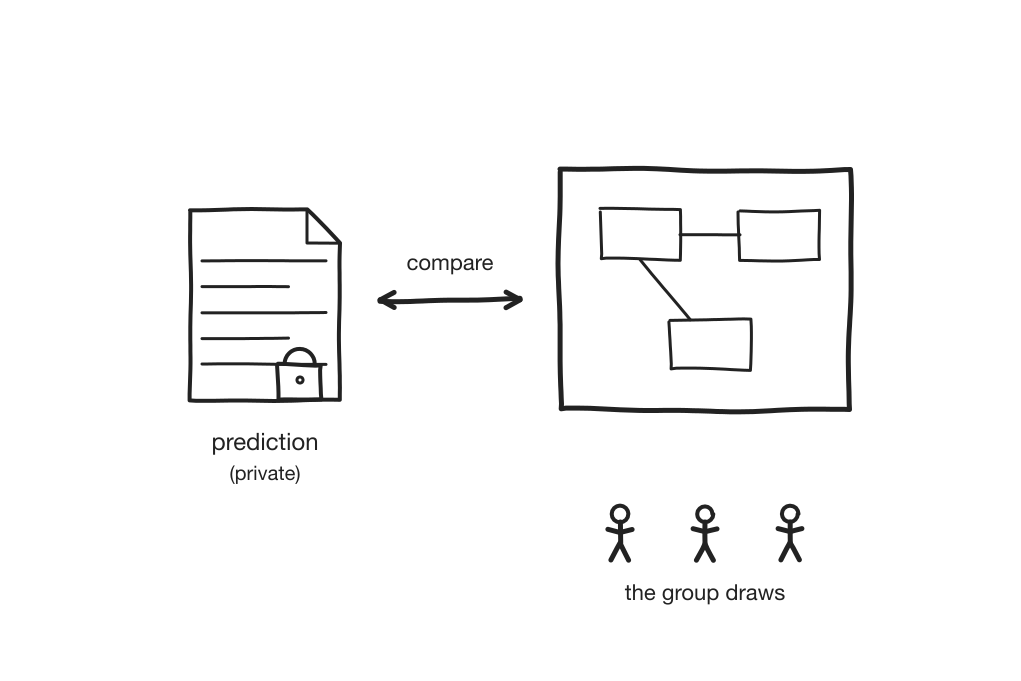
Before the architecture workshop, write down what the money flows say the architecture should look like, keep it private, and compare it with what the group draws.

Pattern 2.8

Draw It, Don’t Present It

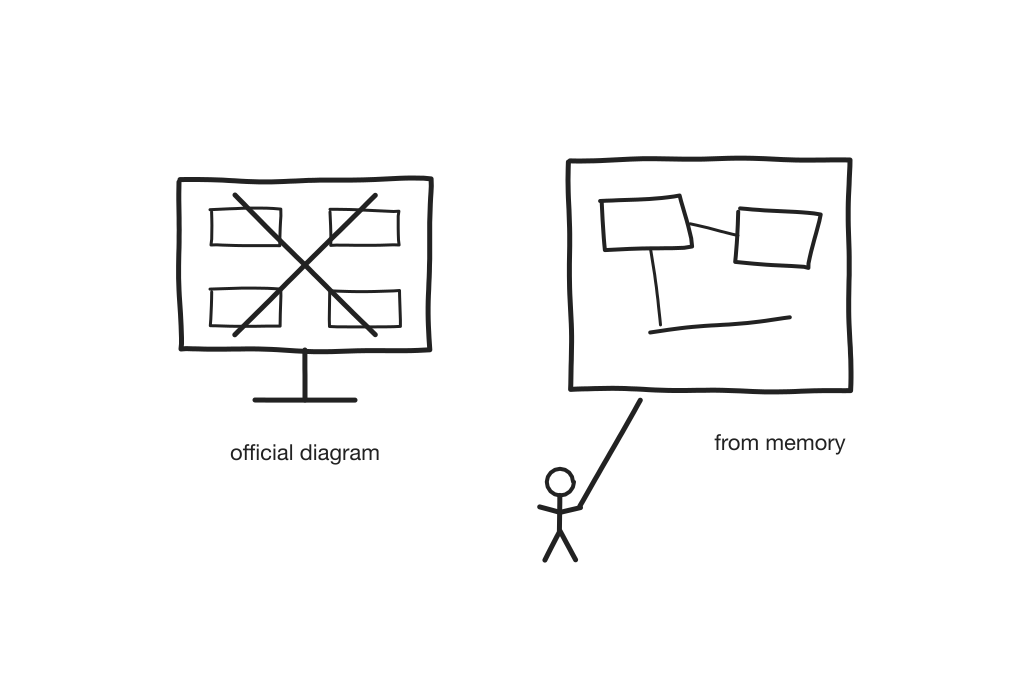
Have the people who build and run the system draw it from memory, rather than presenting the official architecture diagrams.

Pattern 2.9

One-on-Ones Before Synthesis

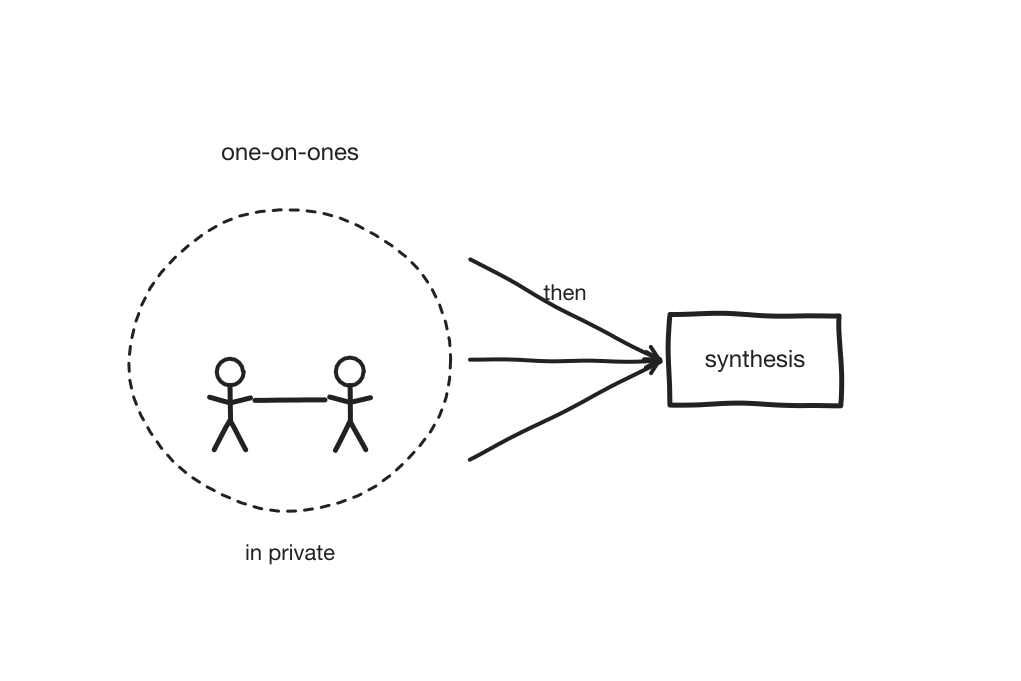
Before drawing conclusions, meet privately with the people the workshops couldn’t hear from, or couldn’t hear freely.