Patterns / Group 7

7 Anti-Patterns

These are moves that solve one problem and create another. Most of them are tempting because they work, at least at first: Connector’s chargeback cut costs and the share price recovered, and a reorganization is quicker and more visible than changing who pays for what.

Each one is written in the same form as the patterns, but its “Therefore” describes the tempting move, and its “Consequently” lists what goes wrong and ends with a better approach, pointing to the patterns earlier in this appendix that answer it.
Anti-pattern 7.1

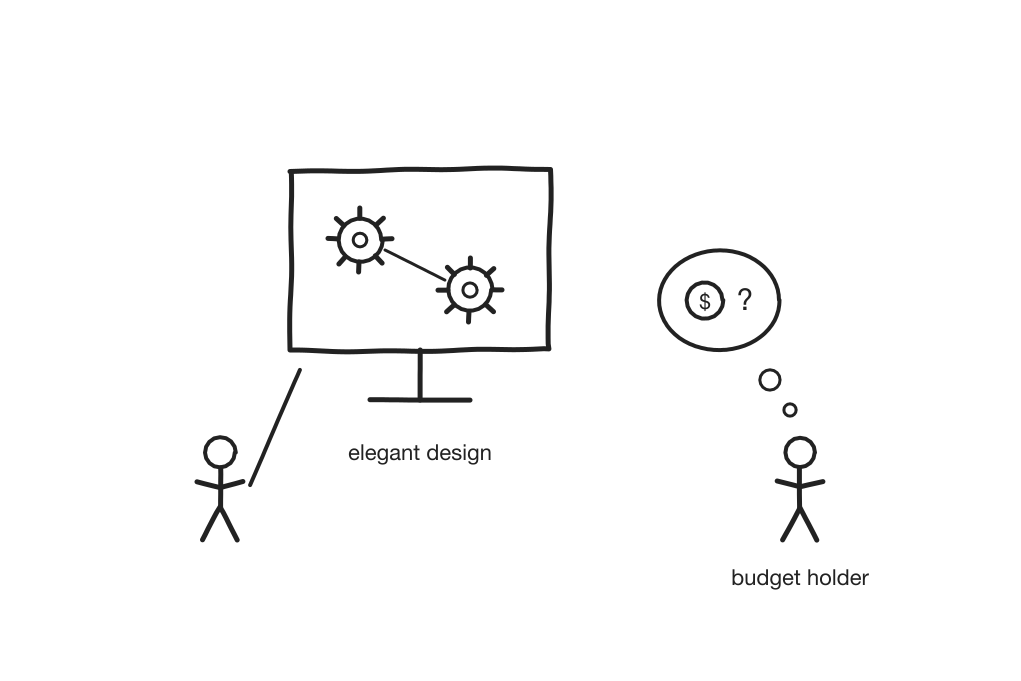
The Technical-Merit Pitch

Engineers argue for their work on its technical merits, to people who hold budgets.

Anti-pattern 7.2

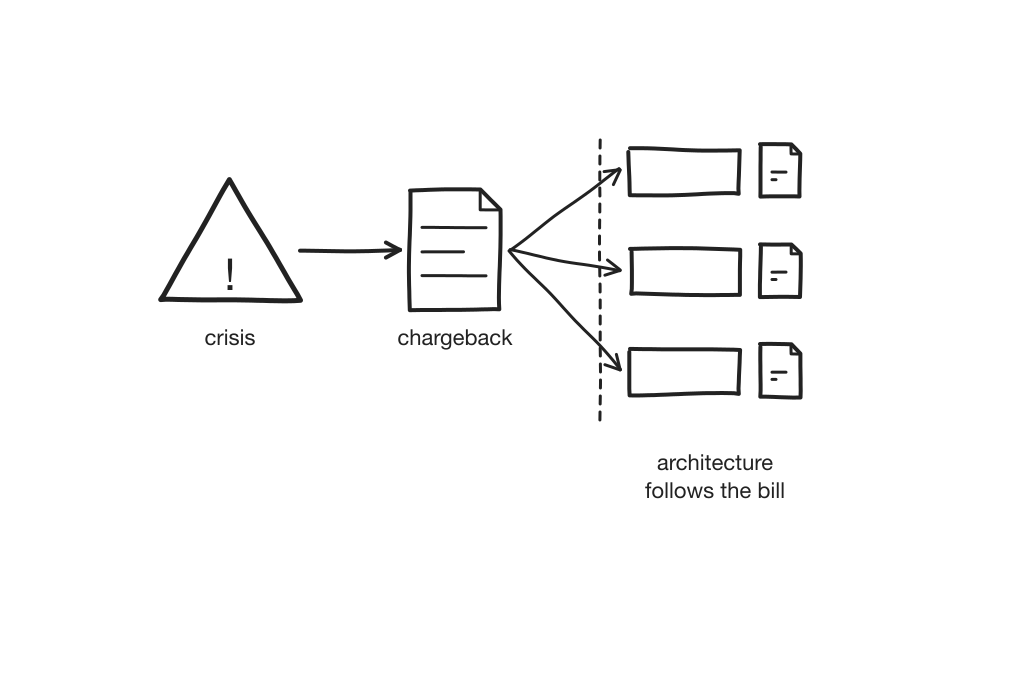
Chargeback in a Crisis

A cost-allocation scheme imposed in a hurry, which the architecture then reorganizes itself around.

Anti-pattern 7.3

Restructuring Around the Bill

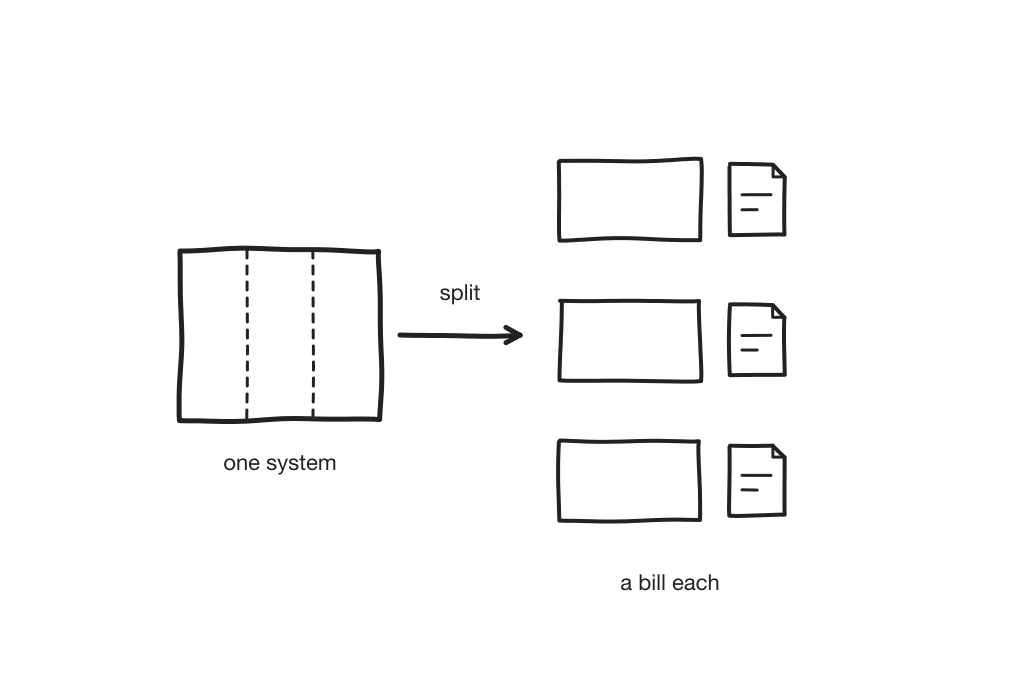
Teams change the system’s architecture so that their costs can be measured separately.

Anti-pattern 7.4

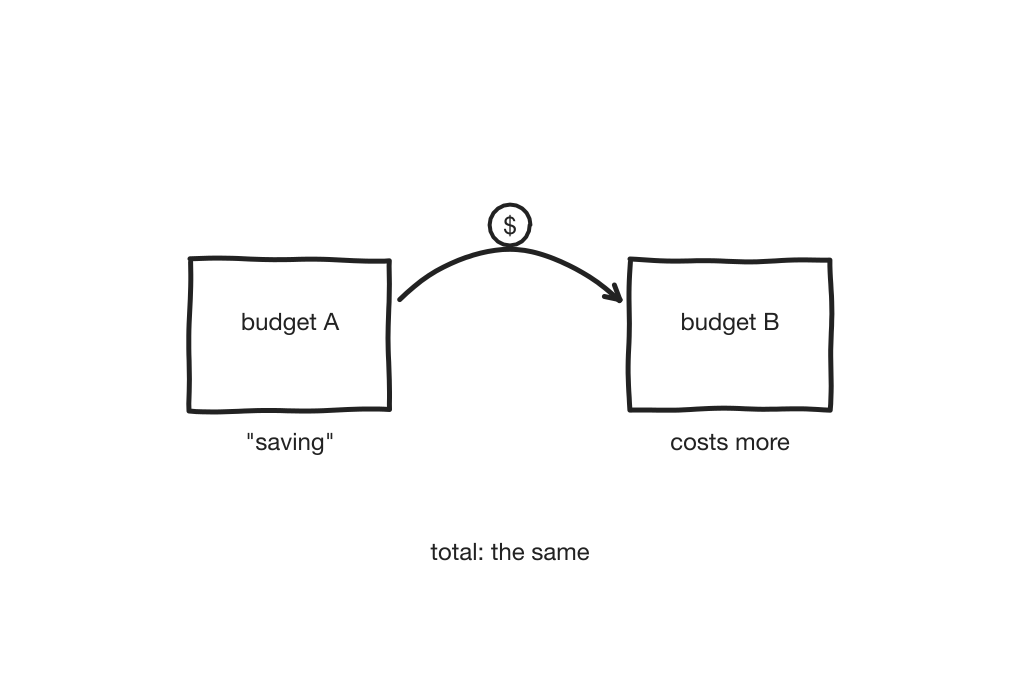
Moving the Cost and Calling It a Saving

A change that moves cost from one budget line to another is presented as a saving.

Anti-pattern 7.5

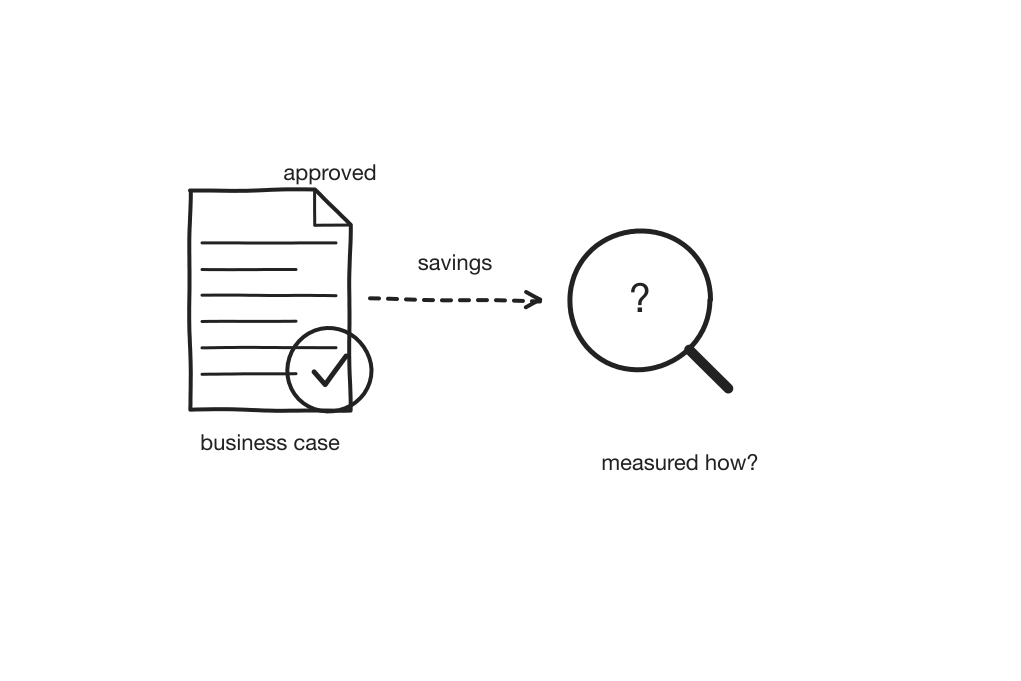
Savings Nobody Can Evidence

Funding is approved on the promise of savings that nobody agreed how to measure.

Anti-pattern 7.6

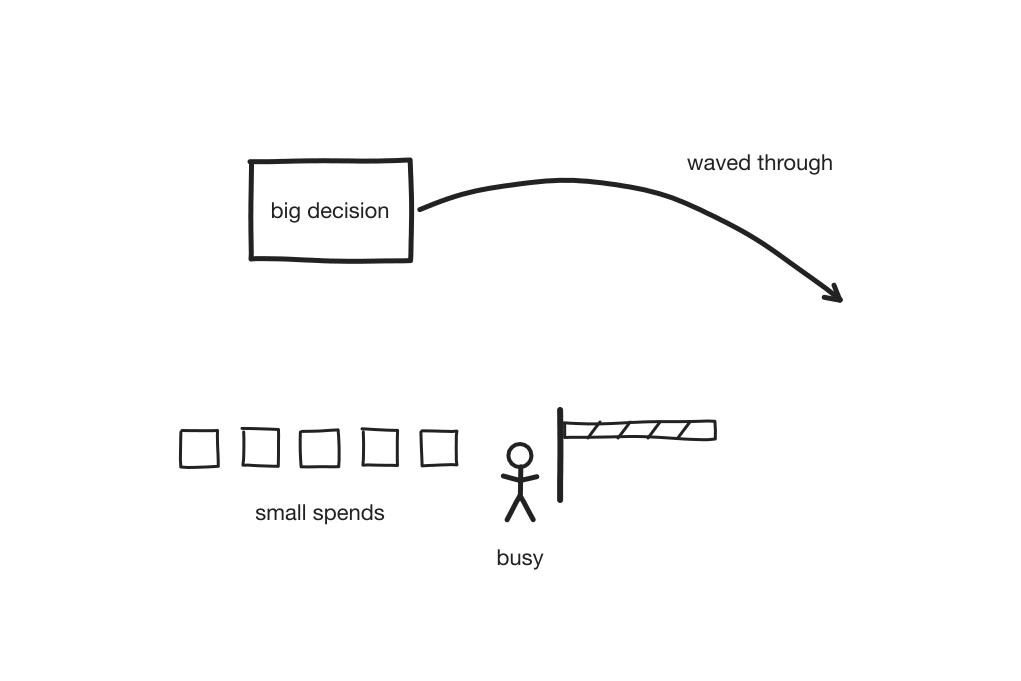
The Gate Set Too Low

A central spending control spends most of its effort on the decisions that matter least.

Anti-pattern 7.7

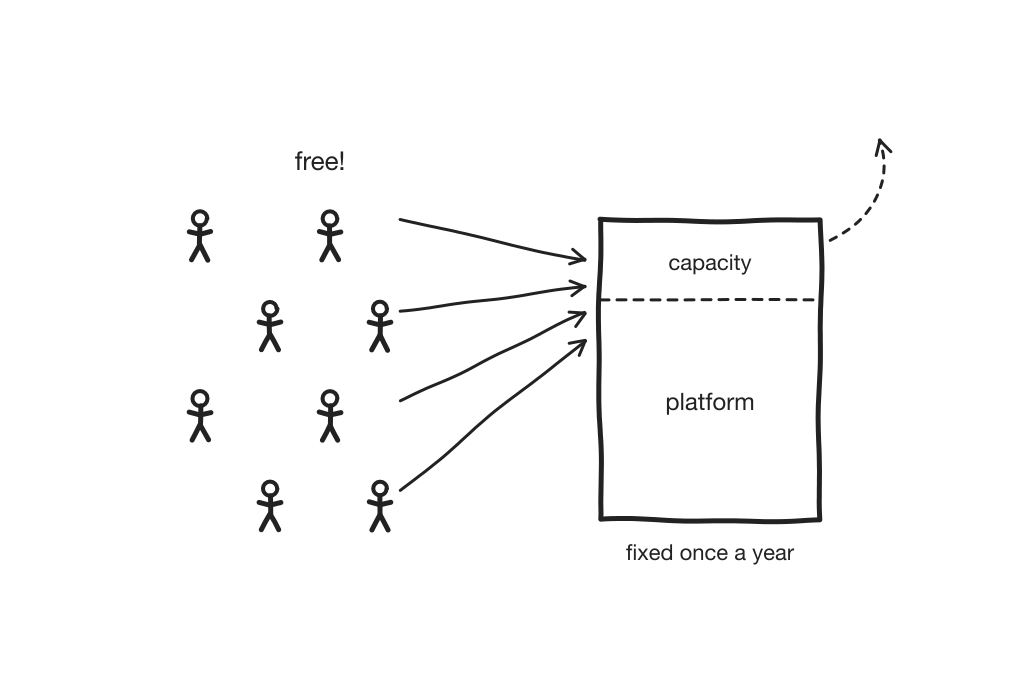
The Free Platform

A shared platform is free to use, has a capacity fixed once a year, and faces unlimited demand.

Anti-pattern 7.8

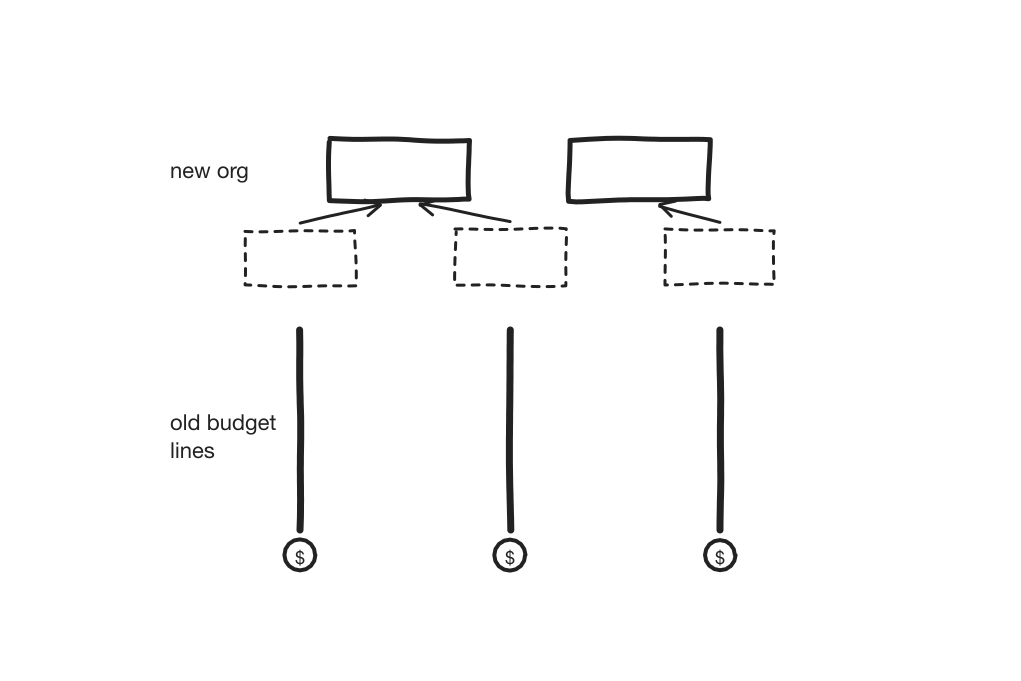
Reorg Without Re-funding

A reorganization changes the org chart and leaves the budget lines where they were.

Anti-pattern 7.9

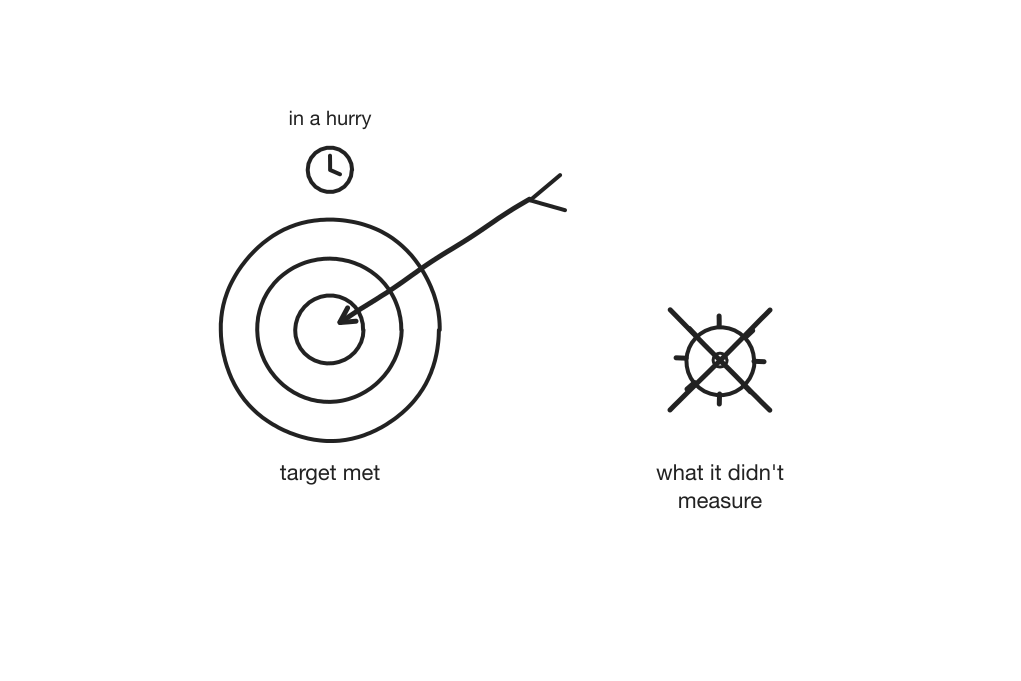
The Imposed Target

A savings target is set in a hurry, enforced hard, and gets exactly what it measures.